
Risk-Based Inspection (RBI)

What Is a Risk-Based Inspection (RBI) ?

Risk-Based Inspection (RBI) is a strategic methodology used to optimize inspection planning for pressure equipment, piping systems, and storage tanks by prioritizing actions based on risk, rather than fixed intervals. By evaluating the probability of failure and the consequence of failure, RBI helps facilities reduce downtime, improve mechanical integrity, and maintain regulatory compliance under API 580 / API 581 standards. This data-driven approach ensures inspection resources are focused on high-risk assets, lowering operational costs and enhancing safety, reliability, and asset performance across oil & gas, petrochemical, and industrial plants.Using methodologies aligned with API 580 / API 581, we identify where failures are most likely to occur and what consequences they may have. The result: inspections that actually prevent downtime and incidents, instead of wasting resources on low-risk equipment.

What RBI Solves

RBI puts inspection effort exactly where your facility needs it most.
Excessive inspections on low-risk equipment
Missed degradation in high-risk systems
Unnecessary maintenance spending
Limited visibility into asset risk levels
Compliance gaps in MI and PSM programs
Material or metallurgical issues
Improper installation or maintenance
High-temperature degradation

What Our RBI Services Include

Deliverables

Ready for audits and insurance reviews.
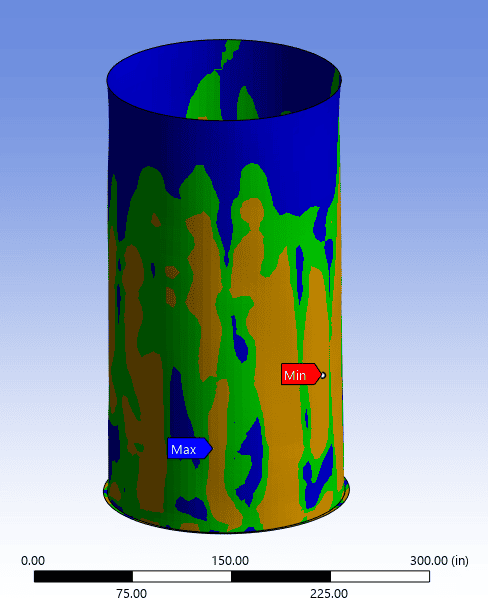
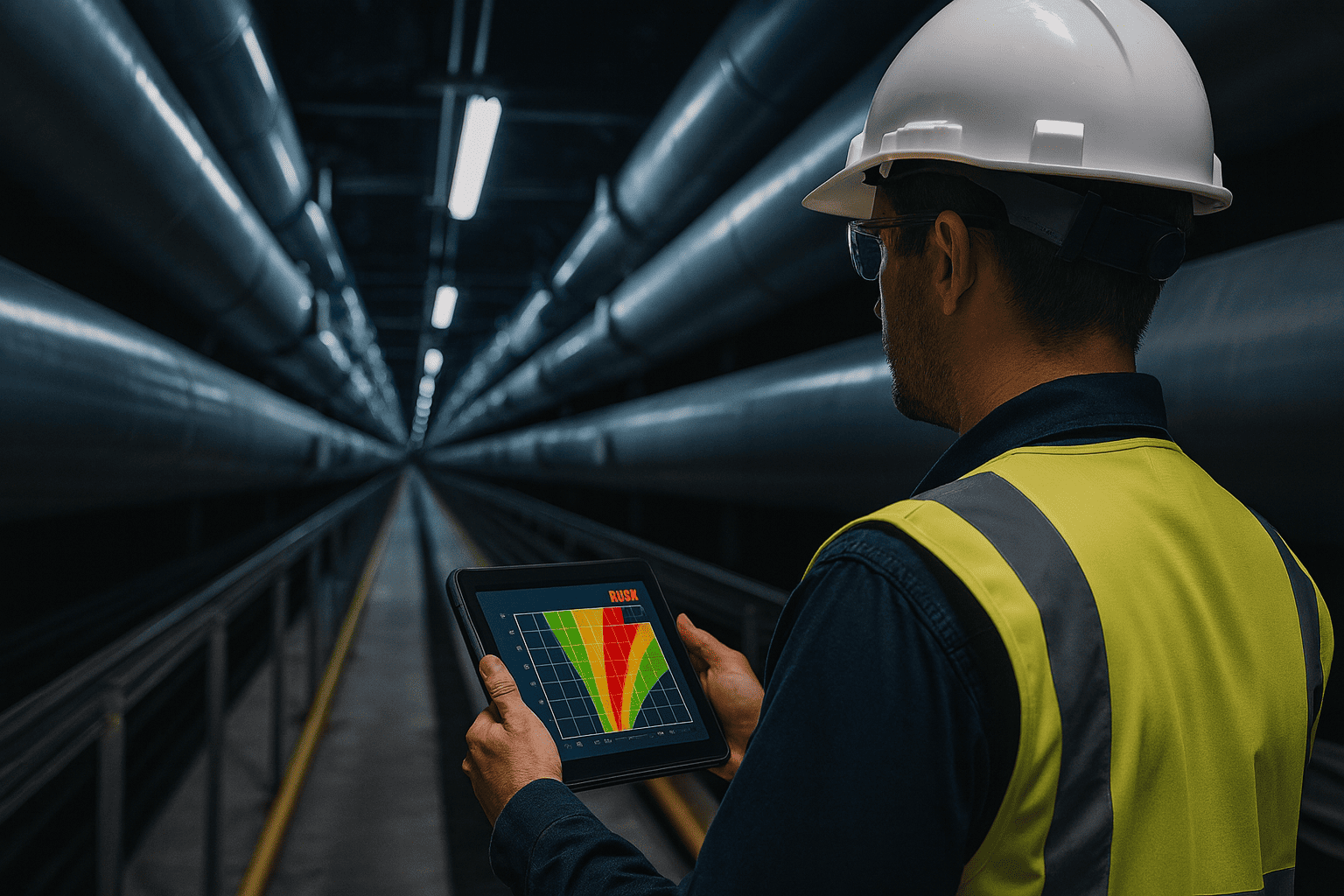
Equipment risk ranking (heat maps)
Inspection interval recommendations
Optimized inspection plans
Updated CML lists and corrosion loops
Code-compliant documentation (API, ASME)
Clear action priorities & next steps

Why Facilities Choose RBI

Reduce inspection and maintenance costs
Improve safety and reliability outcomes
Extend asset life and avoid unplanned downtime
Support Mechanical Integrity (MI) and PSM programs
Focus resources on equipment that matters most
Stronger decision-making backed by engineering data

Our RBI Implementation Process

Optimized inspection planning that reduces risk, improves reliability, and lowers lifecycle cost across industrial facilities.

Step 1 -Data review & risk assessment.

Reporting  & interval assignment

Step 2- DMA and CML optimization.

Target high risk degradation

Step 3- Risk modeling POF/COF

Accurate asset prioritization

Step 4- Inspection Plan Development

Focus resources where needed 

Step 5- Reporting & interval assignment

Code-Compliant MI roadmap

Schedule an RBI Assessment

Contact us today to schedule an RBI review or request a consultation.